The development of the Raipur–Visakhapatnam Economic Corridor (NH-130CD) isn't just a road project; it is a massive upgrade to India's logistics backbone. Spanning 464.662 kilometers, this six-lane greenfield expressway connects the industrial heart of Chhattisgarh to the strategic Visakhapatnam Port in Andhra Pradesh. By slashing travel time from 13 hours to just 6 or 7, it is set to change how goods and people move across central India.

Global Standards: The South Korean Edge
To ensure world-class quality, the government partnered with international experts. The project's Detailed Project Report (DPR) was a joint effort between South Korea’s YONGMA Engineering Co. Ltd. and India's Arkitechno Consultants. This collaboration ensures high-speed safety with precision geometry and extreme durability for heavy freight movement.
| Feature | Specification |
|---|---|
| Length | 464.662 km |
| Lanes | 6 Lanes (Greenfield) |
| Design Speed | 100 km/h |
| Funding Model | Hybrid Annuity Model (HAM) |
A Smart Highway Powered by AI
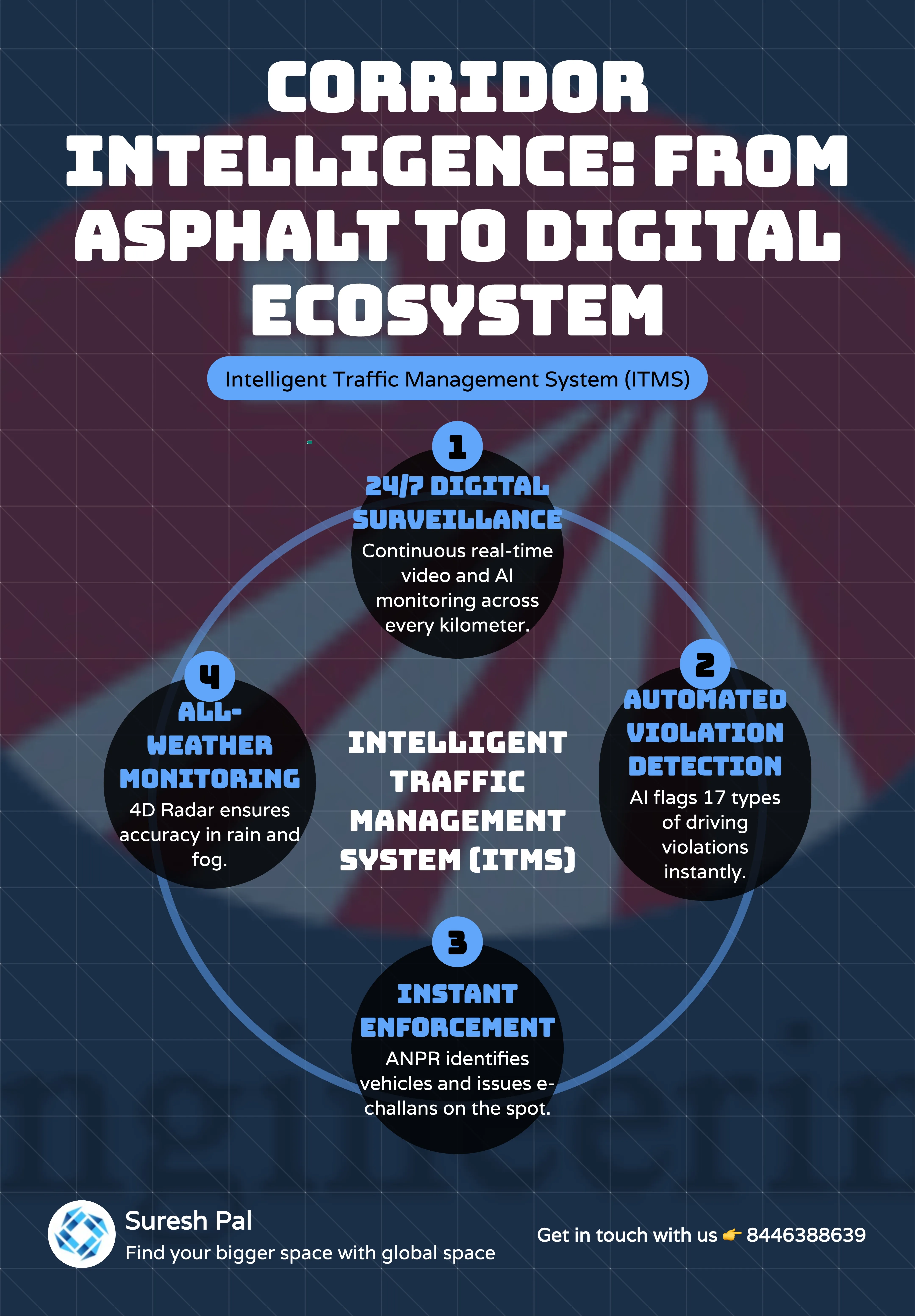
This isn't just asphalt; it’s a digital ecosystem. The Intelligent Traffic Management System (ITMS) turns the corridor into a responsive environment that monitors everything in real-time through VIDS and AI-powered cameras.
24/7 Digital Eyes:
- Violation Detection: AI flags 17 types of violations, including lane jumping and mobile phone use.
- Automatic Enforcement: ANPR Identifies vehicles in seconds to generate e-challans.
- Weather Resilience: 4D Radar sensors detect distances even in heavy rain or dense fog.
Engineering for Wildlife: The Udanti Sanctuary
One of the most impressive feats is how the expressway handles the ecologically sensitive Udanti Wildlife Sanctuary. Engineers built a 2.8-kilometer-long, six-lane tunnel to prevent habitat disruption. The design includes 27 animal passes and 17 monkey canopies to allow wildlife to move freely.
Real Estate Impact: The Godrej Opportunity
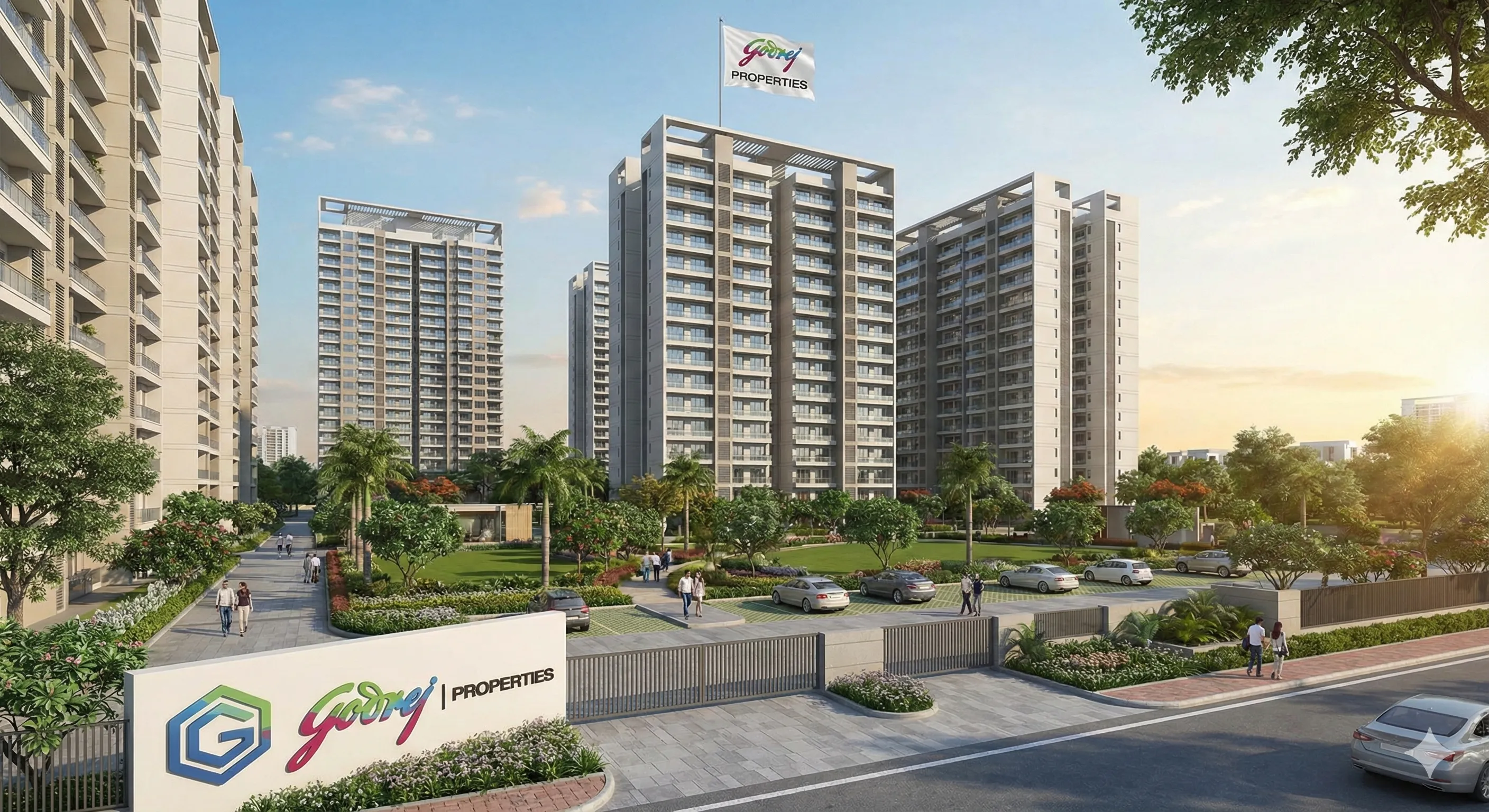
Major infrastructure always drives real estate growth. National developers like Godrej Properties have already acquired significant land parcels for premium plotted developments near this corridor. Buyers are looking for gated communities that offer "connectivity dividends"—the ability to live in a secure township while being minutes away from a national logistical artery.
The Verdict: The Infrastructure Catch
The area surrounding the NH-130CD is evolving from a rural fringe into a modern residential and commercial nucleus. For investors, the combination of global engineering, AI-driven traffic systems, and the integration with the Atal Path makes this one of the most promising micro-markets in Central India. Secure your stake in Raipur's high-speed future today.